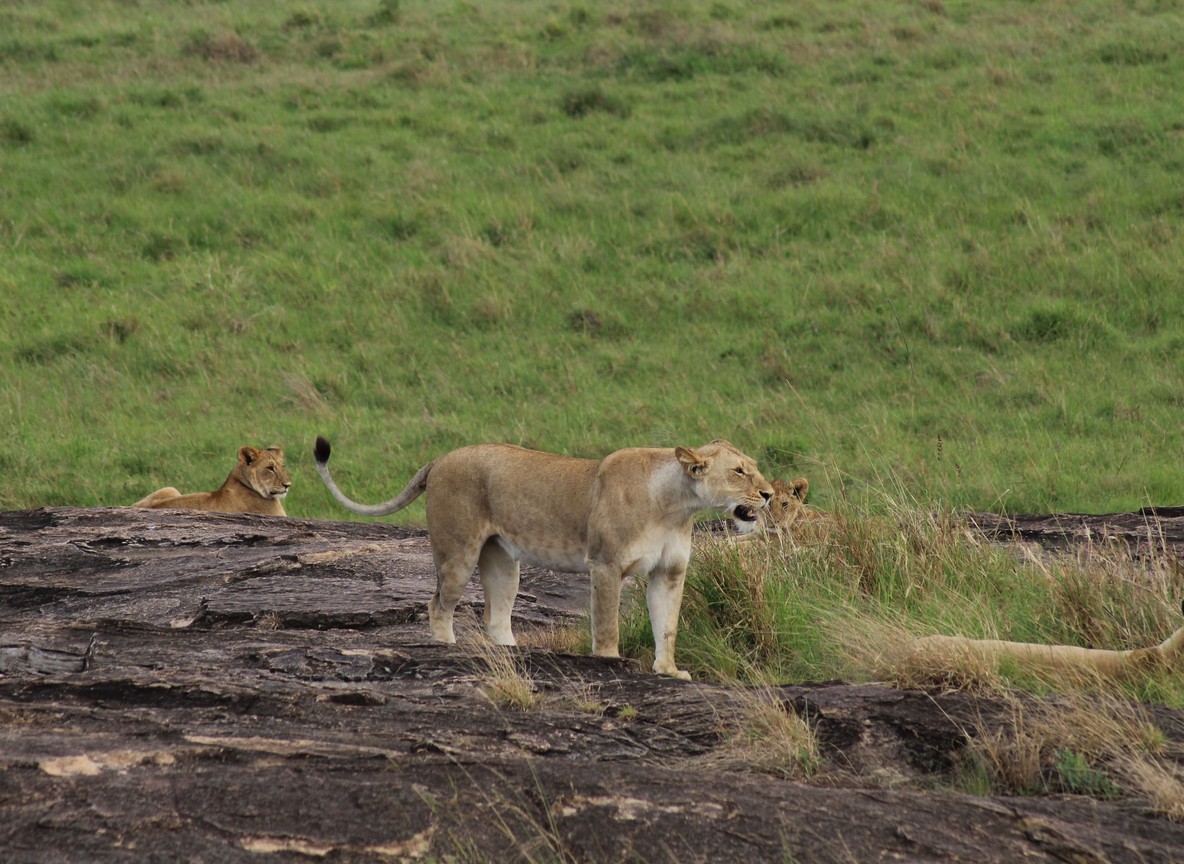
How far ahead you book your Kenya safari shapes more of the experience than most people realise. It affects which camps you can access, what you pay, how much stress the planning involves, and how the trip feels once you are on the ground.
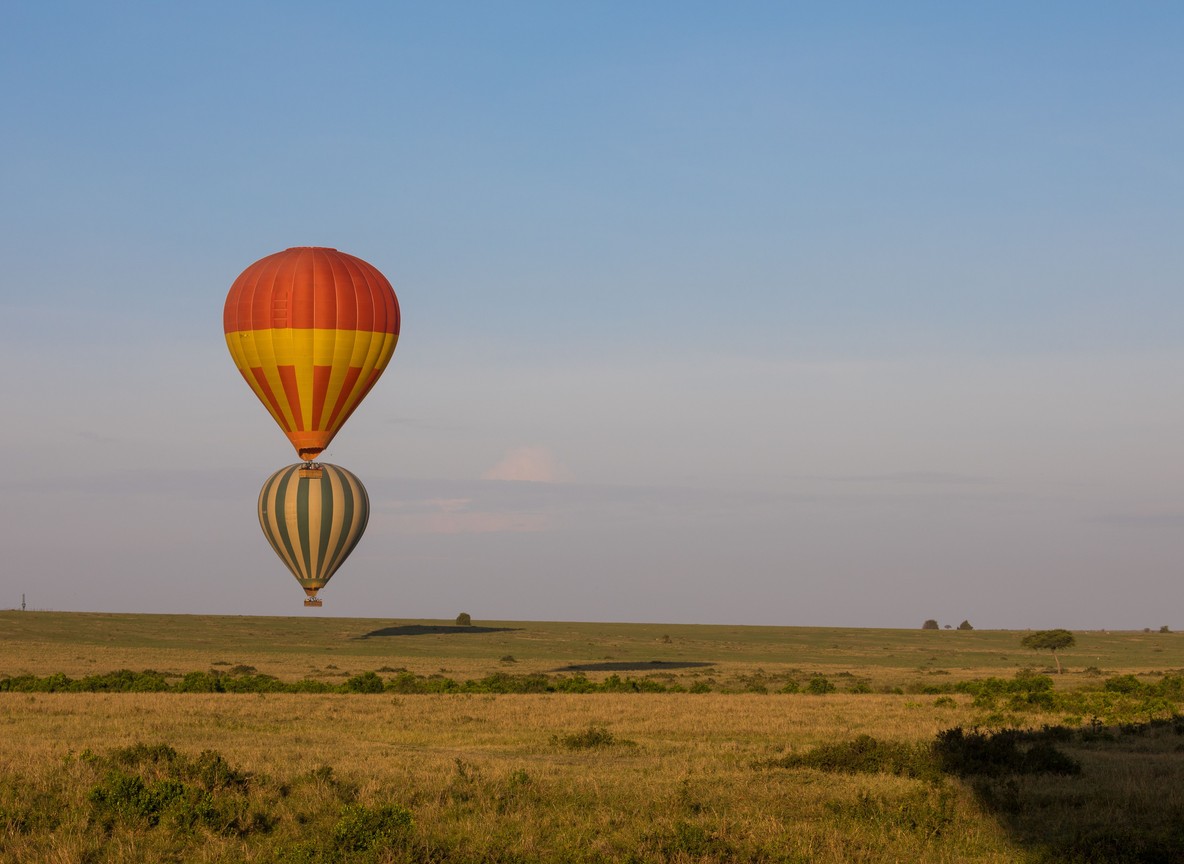
Last-minute safari booking in Kenya is possible — but the conditions under which it works well are specific. Advance booking is the right move for most travellers, for reasons that go beyond the obvious.
Here is the honest comparison, built around how Kenya’s safari market actually works.
How Kenya Safari Bookings Work
To understand the timing question, it helps to understand the supply side.
The Masai Mara has a finite number of beds. The reserve and its surrounding conservancies support roughly 2,000 to 3,000 beds across all properties at any one time. During peak season — July to October — demand from international travellers significantly exceeds supply at popular camps.
Luxury and premium camps like Angama Mara, Cottar’s 1920s Camp, and Mara Plains typically sell their peak-season inventory 12 to 18 months in advance. Mid-range tented camps at popular positions along the Mara River can be fully booked four to six months ahead for the July to August window. Budget camps and less prominent properties have more last-minute availability — but less-prominent properties are, by definition, less prominent for a reason.
That supply structure is the context for every booking timing decision you make.
Advance Safari Booking: What You Actually Get
Booking your Kenya safari six to eighteen months ahead gives you:
First choice of camp. The best-positioned camps, most requested guide profiles, and most sought-after tent categories go earliest. Book early and you choose your Mara River view tent or specific conservancy camp before availability narrows.
Price certainty. Most Kenya safari operators and camps publish annual rates and hold them for confirmed bookings. Booking early locks in the current year’s rate before any increases take effect.
Migration timing precision. Wildebeest river crossings happen between approximately late July and mid-October. The peak of crossings tends to fall in August and September, but this varies year to year. Booking ahead gives you the flexibility to target the most likely window rather than taking whatever dates remain.
Group coordination. For families, groups of friends, or multi-generational parties, advance booking is the only realistic way to secure interconnecting rooms, coordinated itineraries, and the specific vehicles you need.
Peace of mind. No scrambling for availability, no compromise on camp choice, and no frantic calls to operators two weeks before departure.
Last-Minute Safari Booking: What Is Realistic
A last-minute Masai Mara safari is possible — but the parameters matter significantly.
Time of year: A last-minute safari booked in May for a June departure is a very different proposition from a last-minute booking in July for August. June sits at the lower end of demand. August is peak season with 12-month advance sell-outs at the top properties.
Camp expectations: Last-minute availability in peak season is usually at one of three property types:
- Less popular or more remote camps with consistently lower demand
- Properties with recent cancellations, which are rare and unpredictable
- Budget campsites and basic camps outside the main reserve area
If you have specific camp preferences — Mara River view, a particular conservancy, a specific luxury lodge brand — last-minute booking in peak season will almost certainly mean compromising on your first choice.
Green season (March to May, November): The shoulder and low seasons have much more last-minute availability. Camps actively discount during the long rains (March to May), and genuine savings of 20% to 40% are available at some properties during this period. A green-season safari booked late can deliver real value for the right traveller.
Price: Does Last-Minute Mean Cheaper?
The idea that last-minute booking means lower prices is largely a myth during peak season.
What actually happens:
- Peak season (July to October): High demand means last-minute spots are rare, and operators have no incentive to discount. Prices at available camps often reflect premium positioning or are unchanged from early-book rates.
- Shoulder season (June, November): Some availability exists, with modest pricing flexibility.
- Low season (March to May): Last-minute deals are genuine. Camps reduce rates to fill capacity, and savings can be substantial.
The advance booking approach is clearly right if your trip falls in peak season. The last-minute approach can yield real value in the green season, or for travellers who can move quickly on unexpected availability.
How Far in Advance Should You Book?
| Season | Recommended Booking Lead Time |
|---|---|
| Peak (Jul-Oct): luxury camps | 12 to 18 months in advance |
| Peak (Jul-Oct): mid-range camps | 6 to 9 months in advance |
| Peak (Jul-Oct): budget camps | 3 to 6 months in advance |
| Shoulder (Jun, Nov) | 3 to 6 months in advance |
| Low/green season (Mar-May) | 1 to 3 months, or last-minute |
| December to February | 3 to 6 months in advance |
Special Cases That Change the Calculation
Flight-first booking: Many travellers confirm international flights before planning their safari. If your flights land during peak season and were booked a year ahead, your Kenya safari booking timeline is effectively set — book the safari immediately after confirming flights.
Truly flexible travellers: If you have no fixed departure date and can travel in any two-week window within a three-month range, you have the most negotiating power for last-minute arrangements. This realistically applies to retirees, freelancers, and travellers with fully open schedules.
Return visitors: Travellers who have been to Kenya before and are less fixed on the migration window have more flexibility. The shoulder season (May, June, November) offers excellent game viewing and more last-minute availability than peak months, and experienced safari-goers often prefer it for exactly that reason.
Quick Comparison: Advance vs Last-Minute Kenya Safari Booking
| Factor | Advance Booking | Last-Minute Booking |
|---|---|---|
| Best camp selection | Yes | Limited |
| Migration season availability | Secure | Risk of no availability |
| Price certainty | Yes | Variable |
| Price savings | No | Green season only |
| Group logistics | Easy to coordinate | Difficult |
| Ideal for | Peak season, specific camp preferences | Flexible travellers, green season |
| Booking lead time | 6 to 18 months | Under 4 weeks |
Which Should You Choose?
Book in advance if:
- You are travelling July to October for the Great Migration
- You have a specific luxury or premium camp in mind
- You are travelling as a family or group with complex logistics
- You have confirmed international flights
- You want the best choice of camp categories, locations, and guide profiles
Last-minute booking can work if:
- You are genuinely flexible on travel dates and can move quickly on availability
- You are travelling in the low or shoulder season (March to May or November)
- Your camp expectations are flexible and you are open to less prominent properties
- You are specifically targeting green-season deals
Explorer Notes: What Experienced Kenya Travellers Do
A few patterns worth knowing from people who plan Kenya safaris repeatedly:
Book the Mara in January for August. The July to August window is the most predictable river crossing period, and the best camps plan their calendars around it. Waiting until April for an August trip is six months too late at the top end of the market.
Use the green season strategically. March to May is genuinely underrated — the Mara is lush, predators are active, cubs from the previous year are visible, and crowds are minimal. The savings are real. Some of the most atmospheric Mara experiences happen during the long rains.
Monitor cancellations in peak season. Cancellations do happen — but they are rare, unpredictable, and often go to travellers with existing relationships with operators. Counting on a cancellation is not a strategy; it is a hope.
Private conservancies behave differently from the main reserve. The Olare Motorogi, Mara North, and Mara Triangle areas have smaller bed inventories than the main reserve. They fill faster at the premium end and have fewer last-minute options in peak season.
Conclusion: The Honest Summary
For most Kenya safari travellers, advance booking is the right approach. The best camps, the best positions, and the most satisfying experiences are the ones that get planned early. Peak season last-minute booking typically means compromise — not necessarily a bad trip, but a less intentional one.
The exception is the green season, where last-minute deals are genuine and the safari experience can be outstanding for travellers willing to time their visit around the rains.
Next Steps: Getting Your Kenya Safari Timing Right
- Identify your target season and match it against the lead-time table above
- If you want the migration and specific camp preferences, start conversations at least 9 to 12 months out
- If you are flexible and targeting value, explore March to May and November windows
- Read the Tourinsights Masai Mara seasonal guide for month-by-month breakdown of what you can expect
- trunktrailssafaris.com monitors availability across the Mara in real time and can tell you honestly what is available for your dates, whether you are planning 18 months ahead or looking at next month
Turn this reading into a real itinerary with help from a Kenya-based safari team.
Start Planning Your SafariFurther reading
- Magical Kenya (Kenya Tourism Board)
- Maasai Mara Wildlife Conservancies Association
- African Wildlife Foundation